Meet Our KeyNote Speakers

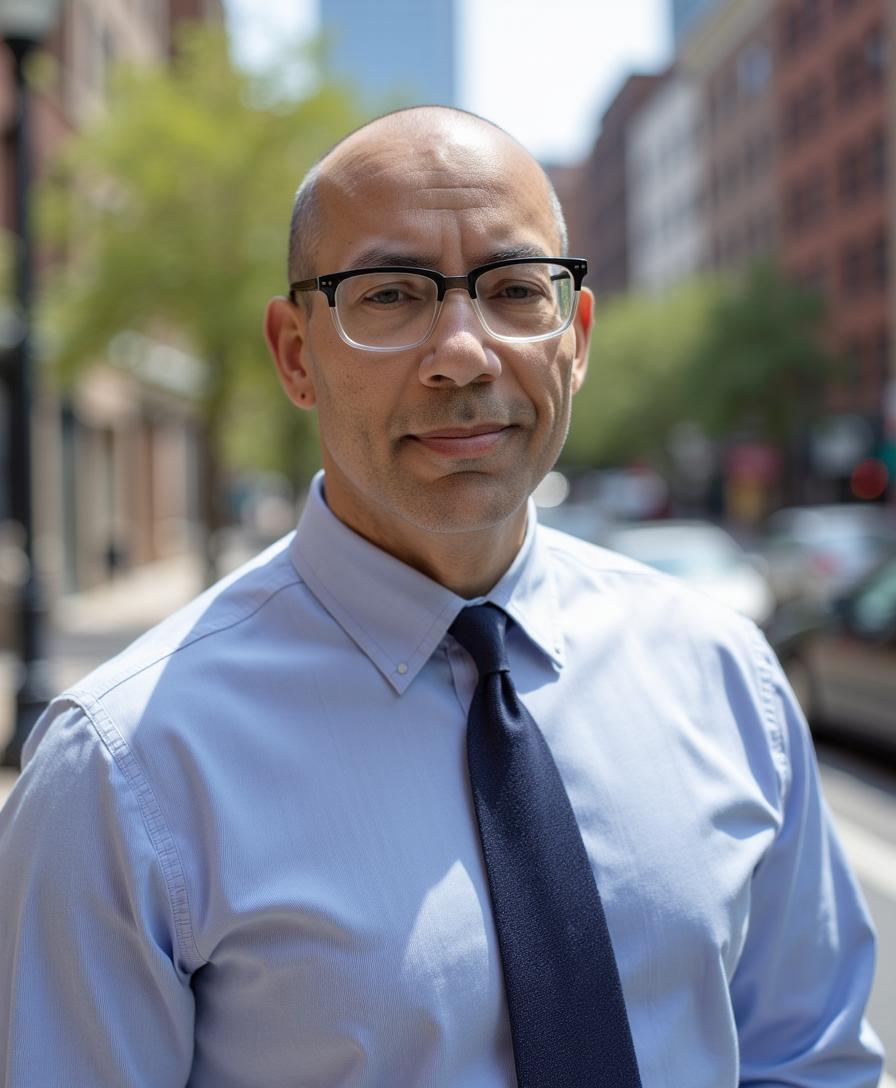
Steve Majors, LPP Author and Chief External Affairs Officer for Teach for America.
Steve's moving memoir, A Multiracial Experience: One Man's Search for Race, Identity, and Family, reflects on his life and experiences as a multi-racial queer man. A poignant narrative of identity formation, rejection, and re-formation, this title covers themes of generational trauma, abuse, race, sexuality, and family relationships.
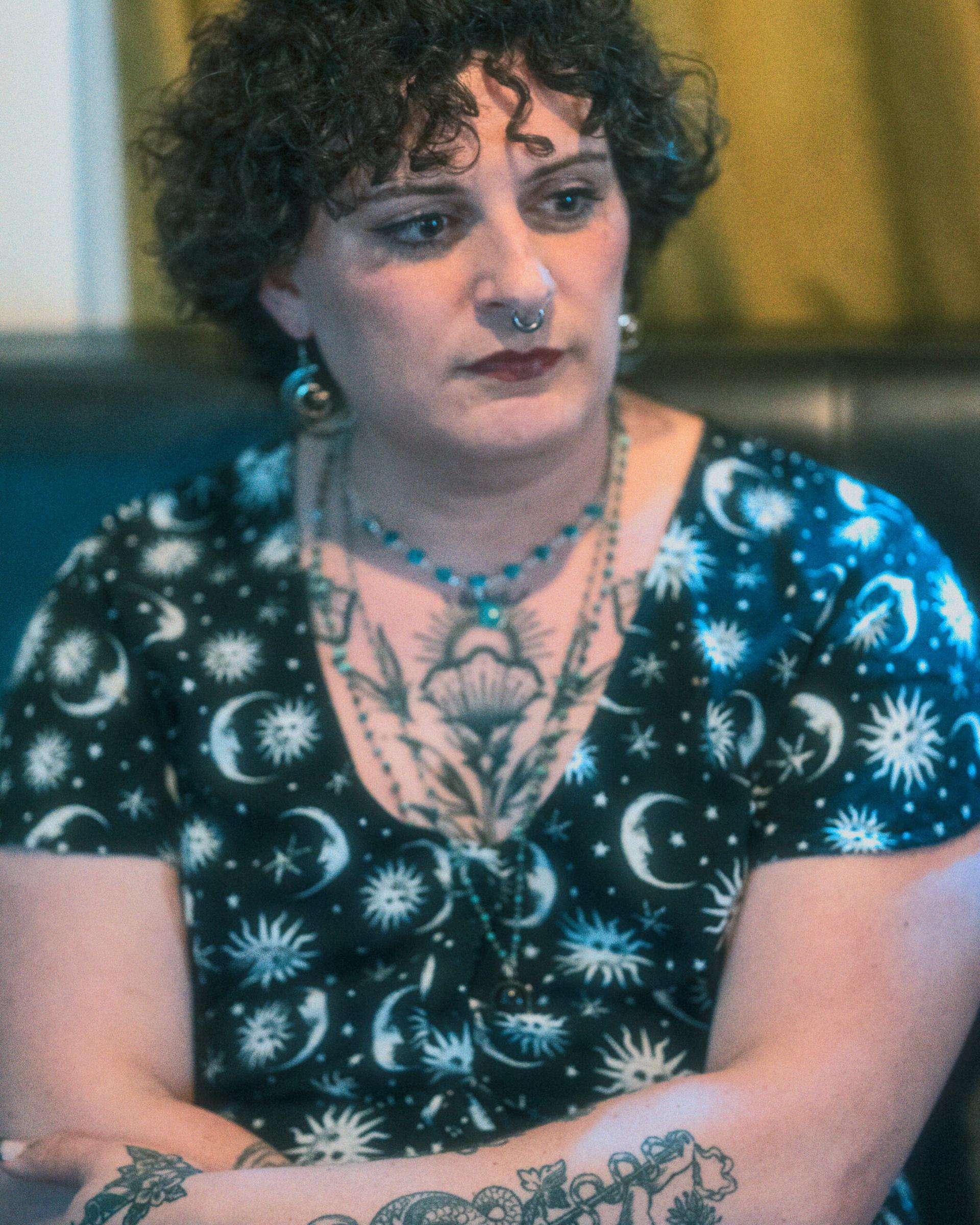
Singer and songwriter Jessye Dylan DeSilva
Jessye is also Assistant Professor of Voice at the Boston Conservatory at Berklee School of Music. Jessye recently published
Introducing the Conference Chair
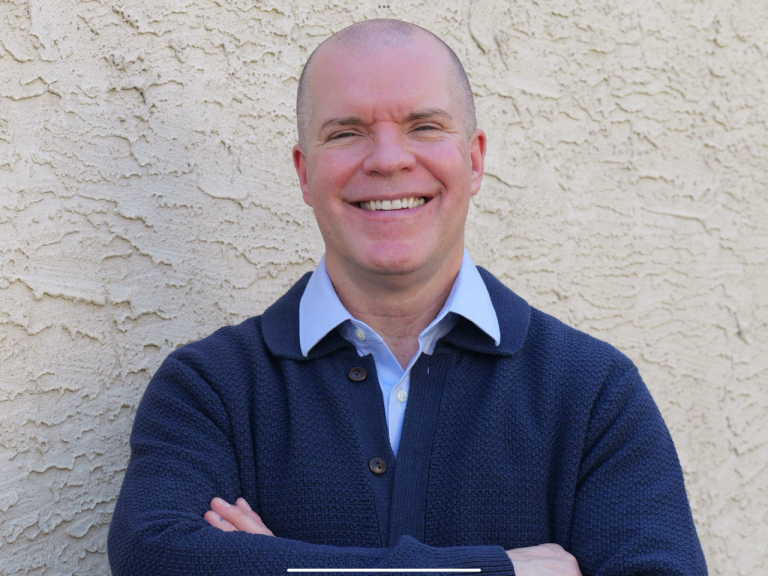
Joseph H. Hancock, II is a professor at Drexel University and an international authority on fashion branding as a form of storytelling. He is known internationally for his scholarship on cargo pants, LGBTQIA+ fashion and retail culture.
For more information about the conference, or to share any ideas and thoughts, please email Joseph.Hancockii@gmail.com.
Presenter Bios and Session Abstracts
The Psychology and Spirituality of a Solo Nomadic Journey as a Mixed-Race Healer: Placemaking and Finding Home
Suzan Ahmed
Independent Scholar
Abstract
When we think of home, most of us agree that, ideally, it represents safety, security, and peace, inside and out. The reality, however, is far from this for many folks. This book holds space for this reality, acknowledging that, unfortunately, not everyone has a safe place to call home, even though I believe it is our human right to experience this. As someone with relative privilege to explore what home means to me, I navigate what it means to feel “at home” as a woman of mixed African and Asian ancestry (Sudanese and Filipino) who grew up primarily in the United States and recently relocated to Europe.
This book follows my personal and spiritual journey to find and create an authentic sense of home, as a woman of color and psychologist of spaces. After spending the last few years on a nomadic/solo travel journey, I discuss the psychological and socio-emotional impacts of my experiences and reflect on privilege, identity, place, belonging, and home.
Biography
Suzan (like Suzanne) Ahmed, Ph.D., CIHC, (she/her) is a design and clinical psychologist whose professional and educational experiences are rooted in trauma-informed psychotherapy, psychological assessment, and holistic approaches to healing. As a yoga teacher, Dr. Suzan empowers folks to deepen their understanding of how the body is both a home and space for spiritual growth and self-actualization.
In her design consulting work, Suzan is passionate about helping others create spaces that authentically reflect the people who inhabit them, representing the evolution of an individual’s/family’s/organization’s past, present, and future. Design psychology, as a framework for uncovering unconscious patterns and associations with place, is integrated with evidence-based design approaches to creating restorative, life-giving spaces. When a home or space considers someone’s unique psychological, social, and emotional needs, it becomes a powerful form of support that helps those in that space thrive and embody their fullest, most conscious selves.
-------------------------------------------------------------------------------------------
Cultural humility in higher education: Intersection of multiple identities
Dr. Gizem Arat (Presenter)
Dominican University
Dr. Narine Kerelian (co-author)
California State University, East Bay
Abstract
Cultural humility, “the enacting of openness, self-awareness, being egoless, and incorporating self-reflection and critique after willingly interacting with diverse individuals” (Foronda et al., 2016, p. 213), is significant to learning environment in higher education. Existing research on cultural humility has primarily conceptualized cultural humility as a dynamic between the instructor and students, focusing on interpersonal interactions within the classroom. However, there is limited understanding of how academicians’ positionality—the intersections of their diverse identities (e.g., race, gender, global identity) —shapes their approaches to teaching cultural humility. This presentation seeks to address this gap by exploring how faculty member’s social, cultural, and professional identities impact their capacity to model, unfold the understanding of cultural humility, and teach cultural humility in higher education settings.
-------------------------------------------------------------------------------------------
Teaching Culture Through Participation
Experiential Learning, Identity, and Belonging in the Classroom
Anne Cecil
Drexel University
Abstract
What happens when students stop studying culture and begin participating in it? This presentation examines an experiential honors course that uses Punk culture as a framework for exploring identity, community formation, authenticity, creativity, and belonging. Rather than relying exclusively on readings and discussion, students engage directly in cultural production through activities such as identity performances, collaborative band creation, documentary filmmaking, and zine production. These experiences provide a living laboratory for examining how groups construct meaning, establish norms, negotiate membership, and preserve collective identity. Drawing from cultural studies, anthropology, and experiential learning practices, the course demonstrates how participation can deepen student engagement while helping learners understand complex concepts related to culture and identity. Attendees will gain practical examples of assignments, classroom activities, and assessment strategies that can be adapted across disciplines. The session argues that lived participation offers a powerful pathway for understanding culture, transforming students from observers into active participants.
-------------------------------------------------------------------------------------------
WORKSHOP
The Story Doesn't End at Publication
Building Companion Resources That Extend the Life of a Book
Workshop Abstract
Many authors are exploring ways to extend their work beyond traditional publication. This panel brings together writers who have developed companion resources such as maps, exhibits, podcasts, teaching materials, walking tours, archives, and community projects to deepen audience engagement and expand the reach of their books. Panelists will discuss the creative, practical, and strategic considerations involved in developing companion resources and reflect on how these efforts have shaped audience engagement, promotion, scholarship, and community connection.
Name/Institution/Email of Panelists:
Anne Cecil, Drexel University (retired)
Dr. Joseph Hancock II, Drexel University
-------------------------------------------------------------------------------------------
Slow Teaching in Fast Times: Explorations of Lived Experience in Learning Spaces
Dr. Elizabeth (Liz) Chase
Associate Professor, Curriculum and Instruction
School of Education, St. John’s University
Abstract
This presentation explores the elements of good teaching that persist within and beyond the paradigm shifts we are currently experiencing in higher education. In a moment where many feel that they are drowning in the ocean of AI and wondering how to create thriving classrooms in digitized environment, this presentation invites attendees to wrestle with the lived experience of the higher education classroom space within a changing environment. With abundant information, constant changes, and endless new data, this presentation creates space to slow down and assess the teaching landscape.
Slow Teaching in Fast Times explores the pedagogical concepts that undergird student engagement and inclusive classrooms, specifically focusing on increasing rigor and making meaningful spaces of learning in higher education classrooms. Drawing from personal experiences from over 25 years in the classroom, the presenter provides an opportunity to think critically about what practices support inclusive higher education settings within a digitized environment. Second, the presentation offers practical takeaways for different classroom settings, including varying sizes of in-person courses as well as asynchronous courses. Third, this presentation explores current research about student experiences in digitized spaces. The presentation considers what we can gain from crafting time in the classroom for analog meaning-making.
-------------------------------------------------------------------------------------------
Floreciendo como ser humano: Human Flourishing | Promising Practices
María Luisa Arroyo Cruzado, M.F.A., M.A.
Clark Fellow & Ph.D. Student
Abstract
As a multilingual Puerto Rican woman poet of color, engaging intersectional feminist educator, divorced mother of a 30-year-old emotionally intelligent married man, strengths-based 58-year-old caregiver of an aging mother, 81; and Ph.D. student of Comparative Literature, I plan to share five (5) promising practices that I mindfully, dynamically and, yes, imperfectly enact. In my presentation, I will share examples of UPR (Unconditional Positive Regard) in my multiple roles; of writing ekphrastically in response to art and artists’ biographies, particularly in times of one’s own mental fatigue; of the inimitable value of keeping a handwritten journal; of reading within and across disciplines to perpetuate wonder and curiosity; and of wildly generating writing for creative and academic projects. The purpose of this presentation is to inspire participants to further reflect on, identify, and own their uniquely human promising practices as the experts of their own multifaceted lives.
-------------------------------------------------------------------------------------------
Why we need compassion over criticality in education OR Making peace with vs waging war on suffering
Danielle Denichaud
University of Toronto
L’Association des Naturopathes Professionnels du Québec
Abstract
Reflecting on the subjective experience of 30 years living with auto immune conditions, 15 years as a trauma-informed holistic health consultant, 8 years of graduate school in social justice and critical teacher education, 10 years of practice in spiritual permaculture and ecosomatics, and 3 years as a university professor, perspectives on the limitations of critical-rationality are offered through a hybrid journey of conceptual commentary, autoethnographic poetry and embodied narratives. This contribution advocates for compassionate discourses in (health-promoting) education to weave peace with rather than wage war against ‘unwanted’ self-other-earth suffering. Cause(s) and culprit(s) identified through a critical-rational lens are positioned as a limited respite to hearts desperately seeking visceral pathways towards a ‘better possible’ from experiences of ‘present misery’. Recounting essential tones from a 20-year pilgrimage of regenerative being-becoming in a ‘dysfunctional’ body, this presentation offers an experience of facing the fear of ‘being forever broken in a forever broken world’ with radical acceptance, fierce tenderness and unconditional compassion. Insights from sharing these tones in the context of learning spaces with children, youth, adults and elders reveal possibilities for cultivating emancipatory praxes through collective peace-building with subjective embodiments self-other-earth dis-ease.
The translation of this subjective journey into pedagogical philosophy and salutogenic praxis are articulated in Embodying Hope: Growing Wellbeing from the Soil/Soul of our Suffering (2025), offering theoretical pillars and practical orientations of a therapeutic approach to classroom health promotion.
-------------------------------------------------------------------------------------------
Tracing Feeling in Anorexia Recovery: The Texture of Repair
Alyson Hoy
Canadian Mental Health Association
Abstract
Drawing on Eve Kosofsky’s Sedgwick’s (2003) book Touching Feeling, this paper explores reparative reading as a practice of reinhabiting the body through an engagement with “outsider” artist Judith Scott’s fibre sculptures. Sedgwick’s reading privileges affect, texture, attachment, and surprise over the paranoid impulse to expose hidden meanings. Scott’s densely wrapped forms resist demands for legibility, inviting instead a tactile encounter in which the body is understood through accumulation, care, and material relation rather than coherence or transparency.
Bringing this reparative framework into dialogue with my recovery from anorexia, I argue that eating disorder recovery can be understood as a shift from a paranoid mode of embodiment – organized around surveillance, control, and the interpretation of bodily signs – to a reparative practice of “touching feeling.” Rather than seeking mastery over the body, recovery becomes an ongoing process of learning to inhabit vulnerability through sensory experience, relationality, and care. Scott’s sculptures offer a compelling material vocabulary for this process: their acts of binding and wrapping neither conceal nor reveal but hold bodies in states of becoming.
Combining queer theory, auto-theory, and visual analysis, this paper proposes reparative reading as both a critical methodology and an embodied ethics, demonstrating how Sedgwick’s notion of “touching feeling” opens new possibilities for understanding recovery beyond cure, coherence, or normative health.
-------------------------------------------------------------------------------------------
Discovering Liveability: Coproducing alternatives to suicide prevention
Dr Sarah I. Huque & The Discovering Liveability: Coproducing Alternatives to Suicide
School of Health in Social Science, University of Edinburgh
Abstract
In suicide research and prevention, a biopsychosocial approach and focus on lived/living experience is increasingly called for. However, social sciences and qualitative methods, which are well suited to engaging and exploring lived/living experiences of suicide, remain sidelined; suicide prevention and research remain less focused on the ‘social’ than the ‘bio-psycho’. Discovering Liveability: Co-producing alternatives to suicide prevention is an ambitious 7-year project aiming to foreground these approaches and disrupt the focus on crisis intervention in suicide prevention, by centring lived/living experience leadership in seeking to cultivate societies that are more liveable. In this talk, we present ‘the Lived & Living Experience Hub’ – the heart of the project, which seeks to develop approaches to research that ‘lead with’ lived experiences of suicide. The hub will establish a group of researchers with diverse lived/living experiences of suicide to design and undertake independent projects, consider what ‘lived/living experience’ means, and develop a platform for sharing research and practice globally. Currently two years in, we share the structure and goals for the ‘Hub’ and raise questions about how we seek to undertake this work in ethical ways that ‘lean in’ to complexity and messiness, while creating nurturing environments to support this type of work.
-------------------------------------------------------------------------------------------
Field Placement Experiences of Neurodiverse Pre-Service Teachers
Terri Jackson, Ed.D.
University of Prince Edward Island
Abstract
This participatory action research study investigated field placement experiences of nine neurodiverse pre-service teachers in a Canadian Bachelor of Education program. Using visionary pragmatism, the study positioned participants as co-creators of knowledge and explored their expectations, actual experiences, and support needs throughout their field placements. Data were collected through reflective journals and analyzed using reflexive thematic analysis; findings showed participants had advanced self-awareness before placements, expressing authentic worries (rejection fears, exhaustion risks, and self-regulation difficulties) alongside neurodiversity-linked advantages (relatable mentorship, enhanced empathy, and instructional creativity).
Post-placement data showed successful social integration in schools and advancement of professional identity, though cognitive and sensory management proved demanding for some. Participants emphasized self-knowledge, self-advocacy, and relationship-building as crucial support mechanisms. Results counter deficit-based perspectives by showcasing cognitive assets and innovative teaching methods neurodiverse educators contribute. Recommendations indicate that teacher education programs should explicitly address boundary-setting, self-regulation, and self-monitoring competencies while ensuring supervisors effectively support neurodiverse preservice teachers. Methodologically, this research demonstrates participatory action research's capacity to elevate marginalized perspectives and produce practical insights for advancing radical inclusivity in teacher education.
-------------------------------------------------------------------------------------------
The affective politics of dressing: Disabled bodies and everyday acts of resistance
Dr Elizabeth Kealy-Morris
Manchester Fashion Institute, Manchester Metropolitan University, Manchester, UK
Abstract
This presentation explores the affective politics of everyday dressing through the author’s lived experience of dressing with a spinal disability. Getting dressed is frequently understood as routine, aesthetic or private. Disabled lived experience expands this understanding by revealing dressing as embodied labour: an ongoing negotiation between bodies, garments, time, space and fashion systems structured around normative assumptions of bodily capacity. Drawing on autoethnography, the paper examines everyday dressing through experiences of pain, patience, memory, adaptation and improvisation. The author’s concept of Body Dressing Work makes visible the physical, cognitive and affective labour involved in negotiating clothing with a body that does not consistently conform to the capacities anticipated by garments and fashion infrastructures.
Through experiences of temporal slowness associated with crip time, the spatial and material tensions of misfitting clothing, and the emotional labour of dressing, the paper considers how apparently ordinary acts can acquire political and resistant significance. Dressing becomes a site through which normative expectations of bodily capacity, appearance and independence are negotiated, adapted and, at times, refused. By centring disabled lived experience as a form of embodied knowledge, the author argues that dressing offers a distinctive site for understanding how disability, identity and belonging are materially produced in everyday life. The paper consequently positions lived experience as both testimony and a mode of knowledge capable of revealing forms of embodied labour and exclusion that can remain obscured within conventional accounts of fashion and dress. This research develops Kealy-Morris’s current research on dress, disability and exclusion, published by Bloomsbury (Memories of Dress, 2023) and Lived Places Publishing (Not Fitting In, 2026).
-------------------------------------------------------------------------------------------
Exploring the Intersectional Experiences of Women with Invisible Disabilities in Male‑Dominated Graduate Programs
Stephanie A. N. Levin, Ed.D.
Rowan-Virtua School of Osteopathic Medicine
Abstract
Enrollment pertaining to students with disabilities in U.S. postsecondary education has gradually increased; however, they still endure systemic challenges and barriers that impact their educational experiences. These barriers and challenges are further heightened when disability is not visible within institutional contexts, and it intersects with gender. This intersection of invisible disability and gender complicates the postsecondary experiences of students with intersecting identities, especially related to perceptions of competence and within male-dominated graduate programs. The purpose of this research was to understand how women graduate students with invisible disabilities encounter and navigate ableist perceptions of their competence within male-dominated academic fields. Qualitative data were obtained through in-depth, extended interviews, researcher journal entries, and participant artifacts. A heuristic inquiry research design was used to identify themes within participant data, and feminist disability theory supported this study’s foundation. Findings of this study determined that women graduate students experienced significant self-judgment, self-criticism, and internalized ableism within their programs of study. Participants also expressed having to conceal their invisible disabilities due to external ableist and gendered condescension. Finally, participants experienced imposter syndrome, resulting in them questioning their belonging within academia. Findings highlighted the need to promote postsecondary policies and practices rooted in feminist disability theory.
-------------------------------------------------------------------------------------------
Creating Space for Alternate Narratives: Using Co-Design to Value Transgender Lived Experience in Graphic Design
Charlie Lopes
Griffith University, Queensland College of Art and Design
Abstract
Transgender lives challenge the heteronormative, binary ideals of many societies, leading to a largely negative representation of their experiences. While this negative sentiment exists as part of the broader landscape of transphobia, the oversaturation of this negativity signals to the community that their alternate narratives cannot sustain fulfilling or joyful lives.
This presentation unpacks a research project which explored how the development of a trans-specific theory in graphic design could increase the exposure of positive trans narratives. The research drew upon codesign methodologies and trauma informed practices, alongside precedents of socially aware design, to model how visual communication could contribute to bridging the gap between current representation and the true diversity of the trans experience. It valued the expertise of gender diverse lived experience by collaborating with community to creatively document positive stories of their alternate narratives. The resulting outcomes and salient themes were then collated into a shareable resource using contextually and historically relevant design methods. This process provides an example of how designers can amplify lived experience through research and into execution in order to accurately represent alternate narratives. While the final design outcome offers an important example of affirming representation for the trans community, the research findings offer academic and design communities an example of how developing trans design theory could contribute to challenging societal bias.
-------------------------------------------------------------------------------------------
Reimagining Aging: Older Women as Co-Creators of Knowledge
Catherine Marienau, Ph.D., Women Over 70, LLC; Prof. Emerita, DePaul University
Gail Zelitzky, M.A. Women Over 70, LLC; Alumna, DePaul University
Abstract
How might our understanding of aging change if we consider older women's lived experiences not as anecdotes, but as knowledge? Drawing on narrative inquiry informed by in-depth conversations with more than 370 women from diverse backgrounds, our work centers older women as co-creators of knowledge. Their stories illuminate how aging is shaped by the intersections of gender, age, race, socioeconomic status, health, family and professional roles, and lifelong opportunity. Rather than reinforcing cultural narratives of decline, participants' stories reveal aging as a dynamic process—marked by commitments to community, curiosity, courage, contribution, creativity, and compassion.
This work extends beyond traditional scholarship through a widely accessible podcast, community dialogues, and our recent book in the Aging Studies Collection*. These public-facing conversations demonstrate that older women’s lived experience is a legitimate source of knowledge that can reshape how aging is studied, understood, and discussed. Participants will leave with practical approaches for using narrative inquiry to generate knowledge, challenge ageist assumptions, and foster more equitable and intersectional understandings of aging in research, education, and community settings.
-------------------------------------------------------------------------------------------
Teaching and Researching Aid and Accountability at the Roseland Community Forest Garden
Pancho McFarland
Chicago State University
Abstract
Many of Black, Latine/x and Indigenous scholars and activists have argued that Indigenous resurgence or reindigenization is a foundational process in our liberation (Coulthard). Such a resurgence seeks to decolonize and reindigenize educational efforts as well as requiring vigilance against the processes that colonize our minds. In Chicago, especially at the Roseland Community Forest Garden, many of us have focused our liberatory efforts on developing land-based commUnity pedagogies (CP) that address hunger, ill-health, and deindigenization while emphasizing solutions and understandings developed from Indigenous logics, values, and worldviews. These CPs are part of larger anticolonial, antiauthoritarian, alterNative (AAA) efforts in our food movement and beyond.
Over the past two decades I have witnessed dozens of these efforts to engage our communities in culturally responsive educational projects that attempt to teach and learn land stewardship knowledge, Indigenous knowledge, culture, art and spirituality, and critical analyses of Wetiko (the all-consuming monster critiqued by Algonquin peoples that has transmogrified into the colonial, capitalist, White supremacist and heteropatriarchal system). As part of our movement’s ongoing efforts to reindigenize and counter Wetiko, we assess our efforts and attempt to improve upon them. It is an ongoing dialectical process that I hope to positively contribute to through this effort.
This paper will briefly discuss Wetiko’s socioeconomic schooling which continue to fail our children, suppress our Indigenous resurgence, and colonize our minds in efforts to maintain the imperial status quo. Second, I discuss some of the liberatory educational theory, concepts and practices that inform the development of my/our educational efforts in the farms, gardens and other anticolonial food movement spaces in the Zhigagoong. Scholars such as Leanne Simpson (landed pedagogy), Sandy Grande (red pedagogy) Antonio Gramsci (organic intellectual), Eve Ewing, bell hooks, Madhu Prakash and Gustavo Esteva (escaping education, living as learning), Roberto Cintli Rodriguez (elder epistemology), and Ngugi wa Thiongo (decolonizing the mind) provide insight into many of our food movement educational practices as well as offer concepts and perspectives that help us in our pedagogical development. Finally, I will focus on the efforts at the Black Oaks Center for Sustainable Renewable Living and the Green Lots Project which contribute to and relate to the development of AAA pedagogical practices. Each of these Black- and/or “Latinx”-led organizations insist on education that reindigenizes our food practices and identities while developing a local, community-controlled food system.
-------------------------------------------------------------------------------------------
Nobody's Student: Education, Incarceration, and the Intersectional Erasure of Court-
Involved Youth
Dr. Kimberly Nolan, Northeastern University
Abstract
Court-involved youth occupy an identity rarely named in education research: simultaneously student and offender, minor and defendant, learner and inmate. This presentation draws on interview-based research with incarcerated youth, their families, judges, prosecutors, and defense attorneys in South Carolina's juvenile justice system to examine how these overlapping identities produce a distinct form of educational erasure. When a young person becomes "justice-involved," their status as a student is often the first thing to disappear — not through policy intent, but through systemic blind spots at the intersection of education and incarceration. Drawing on findings from Getting Out of South Carolina's Juvenile Justice System, this talk explores what it means to hold multiple, conflicting identities simultaneously, and argues that meaningful reform requires seeing these young people as whole humans — students first — rather than through the fragmented lens of the systems that process them.
-------------------------------------------------------------------------------------------
Speaking from the Margins of the Map: Lived Experience, Intersectionality, and Queer Tongzhi Narratives in Sinophone East Asia
Desmond A. D. O’Doherty
Department of Humanities, York University, Toronto, ON, Canada
Abstract
This paper examines lived experience as both empirical data and critical method in a multi-sited investigation of tongzhi (queer) existence in Hong Kong, Taiwan, and Mainland China. Drawing on life-history interviews with participants whose accounts span sexuality, gender, class, and migration, I situate their lives within colonial legacies, authoritarian rule, and uneven democratization. Rather than taking “lived experience” as self-evident, I ask what becomes visible, and what remains obscured, when Sinophone LGBT individuals narrate to a Western-based researcher. Narrators describe pressure to marry, insecure work, mental health struggles, religious commitments, and the risks of political engagement. Their stories rarely follow linear coming-out trajectories; instead, they foreground cyclical movements between visibility and concealment, hope, exhaustion, attachment, and loss. I call for an intersectional methodology that foregrounds transnational power relations, treats participants as theorists of their own conditions, and attends to how language, translation, and research design shape what can be said, while examining how disability, mental health, and economic precarity affect whether participants and researchers can sustain long-term projects. Centering tongzhi perspectives from Sinophone East Asia, the paper considers how research grounded in lived experience might broaden intersectional debates beyond Euro-Atlantic frameworks while serving, rather than exploiting, the communities it seeks to understand.
-------------------------------------------------------------------------------------------
Lived experience as a professional method: Designing for cognitive access, not just compliance
Michael Osborne
Accessible Me Ltd
Abstract
Lived experience is often presented as a personal story. This presentation argues that it can also operate as a repeatable professional method for identifying barriers, improving decisions and creating more inclusive learning and digital experiences.
Drawing on more than 14 years in Learning and Development (L&D), professional accessibility practice, and lived experience of Tourette’s, AuDHD (autism and ADHD), depression and anxiety, I explore how cognitive barriers appear in real user journeys. The focus is on barriers linked to memory, attention, sequencing, comprehension, processing speed and overwhelm.
The presentation will show what lived cognitive experience may notice that a technical checklist can miss, and how those observations can be translated into clear design decisions, practical recommendations and repeatable working methods. It will also address an important limitation: one person’s lived experience is valuable, but it cannot represent every disabled person or every person with a cognitive difference.
Participants will leave with practical actions they can apply within learning design, research and service development.
-------------------------------------------------------------------------------------------
Perspectives of racially minoritized youth with disabilities on addressing ableism and other forms of discrimination
Sally Lindsay 1,2,3, Janice Phonepraseuth 1, Van Slothouber 1, Jaden Lo1,4, Jennifer N. Stinson 5,6 and Sharon Smile7
1 Bloorview Research Institute, Holland Bloorview Kids Rehabilitation Hospital, Toronto, Canada, 2 Department of Occupational Science & Occupational Therapy, University of Toronto, Toronto, Canada, 3 Rehabilitation Sciences Institute, University of Toronto, Toronto, Canada, 4 Health Sciences, McMaster University, Hamilton, Canada, 5 Research Institute, Hospital for Sick Children, Toronto, Canada, 6 Lawrence S. Bloomberg Faculty of Nursing, University of Toronto, Toronto, Canada, 7 Department of Pediatrics, University of British Columbia, Vancouver, Canada
Abstract
Racially minoritized youth with disabilities often encounter more extensive forms of discrimination. However, little is known about youth perspectives for addressing disability-related and other forms of discrimination, which is important for enhancing the participation and inclusion of youth with disabilities. This study explored the recommendations of youth with disabilities for addressing barriers and multiple forms of discrimination. This study involved in-depth interviews with a purposive sample of 20 youth with disabilities. We applied an inductive thematic analysis to the transcripts. Our findings highlighted the following key themes: (1) addressing barriers in healthcare, education, employment and the legal system; (2) community, social supports and resources; (3) advocacy; and (4) inclusive policies and youth involvement. There is a critical need for more inclusive services and support for youth with disabilities, especially those with multiple minoritized identities, to foster safe environments and quality of life.
-------------------------------------------------------------------------------------------
Barriers and facilitators to leisure participation among racially minoritized youth with disabilities
Gozde Oncil1, Janice Phonepraseuth1, Narges Abdeahad1, and Sally Lindsay1,2
1Bloorview Research Institute, Holland Bloorview Kids Rehabilitation Hospital, Toronto, Canada; 2Department of Occupational Science & Occupational Therapy, University of Toronto, Toronto, Canada
Abstract
Although racially minoritized youth with disabilities participate less often in leisure activities than their white peers, their perspectives of participating in activities is under-explored. This study examined how racially minoritized youth with disabilities experience leisure and identified barriers and facilitators that influence their participation. We used a qualitative design informed by a constructionist epistemology and conducted semi-structured interviews with 15 racially minoritized youth with disabilities (aged 15–24 years, mean age 19.9 years) living in Ontario. Data were analyzed using inductive reflexive thematic analysis. Our analysis highlighted three themes: (1) cultural and familial influences (i.e., understandings and definitions of leisure, expectations and support, and discrimination); (2) interpersonal factors in leisure participation (i.e., leisure provider behavior and interactions); and (3) youth recommendations for reducing barriers to leisure participation (i.e., program design, provider training). Youth described these factors as both barriers and facilitators to participation. Multiple cultural, familial, and interpersonal factors influence leisure participation among racially minoritized youth with disabilities. These findings offer guidance for recreation providers designing inclusive programs and services.
-------------------------------------------------------------------------------------------
The Place of the Black Ageing Fangirl: Evolution, cultural identity and self-making
Dr Kadian Pow
School of Law and Social Sciences, Birmingham City University, Birmingham, UK
Abstract
Black fandom is only just coming into its own as a non-monolithic phenomenon just as fandom culture writ large is reaching a significant influence within wider popular culture. Ageing is an under-engaged topic across the intersection of fandom, race, gender and popular culture. This paper examines the relationship between ageing, fandom, and identity formation among Black women. Drawing on recent semi-structured interviews with 30 Black women aged 30+ across four continents, the paper explores how fandom is not peripheral to Black women’s lives but a significant site of cultural reading, informal pedagogy, emotional refuge, and self-making. Using Black Feminist Standpoint Theory, I analyse how participants understand the changing role of fandom across their life course, including themes of loss, discernment, and self-authorship. The research considers ageing Black women fans as living archives whose fannish practices generate knowledge, sustain pleasure, and fortify Black feminine being-ness. The intersections of race, gender and culture work in tandem.
Born out of opposition to the ahistoric premise that fandom is a playground only for the young, this paper considers a larger culture in which women bear the brunt of anxieties around aging, the policing of their online preoccupations, and the trivialization of our adoration— and that Black women are often invoked in fangirl discourse only in reference to difference. Using data from hour-long, semi-structured interviews with thirty Black women over thirty, this presentation explores the aging fangirl through an analytical lens of critical affinity. I examine the relationship between Black women’s evolving self-concept and the role fandoms have played in that evolution, taking as axiomatic that the kaleidoscope of Black femininity exists as its own phenomenon, outside of comparison. It simply is. This works builds on Dr. Pow’s research on Black women and Intersectionality, published by Lived Places Publishing (Stories of Black Femininity in the Making, 2023) and Black female fandom(s).
-------------------------------------------------------------------------------------------
Relationality, place, and belonging: The queerness of becoming
Kael Reid
York University, Toronto, Canada
Abstract
This presentation draws from my book, Accounting for the Self, Locating the Body: Stories of Queerness and Place (Lived Places Publishing, 2025) to explore how identity is lived, narrated, and continually remade through the intertwined experiences of place, relationality, and the body. Blending autobiographical creative non-fiction, poetry, and song lyrics, the book traces my journey from a young (seemingly!) heterosexual woman to lesbian to queer recording artist and, later, genderqueer graduate student. Through select readings, I invite participants into moments of uncertainty, anger, joy, desire, grief, humour, spirituality, and transformation that reveal identity not as a fixed destination but as an ongoing process of becoming. Situated within intersectional conversations about gender, sexuality, embodiment, and belonging, my presentation will demonstrate how creative life writing can function as both scholarship and witness, making visible the complexities of lived experience that often resist but compliment conventional academic forms. In sharing these personal narratives, I hope to foster dialogue about the ways we come to know ourselves through our bodies, our relationships, and the places that shape—and are shaped by—our unfolding lives.
-------------------------------------------------------------------------------------------
The Archaeology of Fashion: Clothing as an Archive of Intersectional Lived Experience
Nicole K. Rivas
St. John’s University
Drawing from The Archaeology of Fashion: Memories of Worn History, Secondhand Objects, and Material (Auto)Biographies of First-Generation Americans (Lived Places Publishing, 2026), this presentation examines clothing as a material archive through which intersectional identities are remembered, negotiated, and continually remade. Through object biography, archival research, and narrative inquiry, the project explores how garments inherited, thrifted, altered, and preserved document overlapping experiences of migration, family history, gender, class, and cultural identity. Rather than treating dress as a reflection of identity alone, this research positions clothing as an active site of memory and meaning, capable of preserving histories that are frequently absent from institutional archives. Bringing together approaches from fashion studies, material culture, public history, and archival studies, the presentation introduces the “archaeology of fashion” as an interdisciplinary framework for examining how personal objects illuminate the complexities of lived experience. Ultimately, it asks how ordinary garments can expand our understanding of whose histories are preserved, remembered, and valued.
-------------------------------------------------------------------------------------------
Exploring Sense of Belonging Among Neurodivergent Students in Higher Education
Mollie Rubinstein, Ed.D.
Rowan University
Abstract
Positive academic experiences for university students are hard to come by when non-academic experiences are negative (Gidley et al., 2010; Sandhu et al., 2022; Tinto, 1975). This issue has become increasingly important for neurodivergent students in higher education as more of this population is enrolling in university (Cox et al., 2020; Edwards et al., 2022; Gurbuz et al., 2018; Izzo et al., 2008; Lubin & Brooks, 2021; Mamiseishvili & Koch, 2011; Yssel et al., 2016). The purpose of this study is to listen to neurodivergent student voices to learn about their university experience and sense of belonging. Research questions include: How do neurodivergent students describe sense of belonging? (RQ1), What academic and non-academic experiences shape sense of belonging for neurodivergent students? (RQ2) and how do neurodivergent students navigate academic and non-academic challenges in a college environment? (RQ3). This study is significant because outcomes can help education professionals understand what changes are necessary to improve the university experience for neurodivergent students.
The researcher conducted an interpretative phenomenological analysis where students were interviewed, and their perspectives coded. Major themes became apparent which led the researcher to conclude that students at Blue University developed sense of belonging, which lead to persistence through academic and non-academic challenges.
-------------------------------------------------------------------------------------------
The Community Classroom: Experiential Learning with DePaul University and Here to Stay Community Land Trust
James Rudyk Jr. (he/him), DePaul University, School of Public Service, Public Policy Studies, Term Faculty
Lucy Gomez-Feliciano (she/her), Here to Stay Land Trust, Community Engagement Director
Abstract
Community-engaged learning provides students with opportunities to connect their public policy learnings to the lived experiences of urban communities affected by policy decisions. This presentation focuses on the partnership between DePaul University's School of Public Service Public Policy Studies Program and the Here to Stay Community Land Trust (CLT), a nonprofit organization dedicated to creating permanently affordable housing on Chicago's Northwest Side. Through service-learning courses, internships, and research, students collaborated with the Here to Stay CLT on projects focused on housing affordability, policy implementation, and community development. This presentation demonstrates that sustained community engagement with a non-profit community partner deepened students' understanding of public policy by making abstract concepts more tangible through real-world experiences. Equally important, the partnership demonstrates a reciprocal model of community-engaged learning in which community organizations serve as co-educators for university students. This presentation demonstrates that reciprocal university-community partnerships strengthen public policy education while also supporting community based non-profit organizations through the meaningful contributions of student community-led work.
-------------------------------------------------------------------------------------------
Is Social Work Practice Really Anti-Oppressive When Viewed Through the Eyes of Black Dyslexic Women Social Workers?
Dr Arlene P Weekes
University of Birmingham, England
Abstract
The social work profession has historically been known to have a commitment to challenging discrimination and advancing social justice, both through policy and direct practice with service users. However, a significant and often overlooked question is whether this is extended to social workers themselves. This presentation explores the experiences of six Black women social workers with dyslexia, including the author/presenter, who, in addition to their disability, navigate the intersections of race, gender and class, within organisational settings.
Drawing on Crenshaw’s concept of intersectionality, the presentation highlights a critical gap in applying this commitment to its neurodivergent (dyslexic) workforce. While the social work profession is arguably rooted in principles of anti-oppressive practice for service users, the experiences of these women raise questions about whether the same care and consideration is extended to practitioners themselves.
The presentation explores the unique challenges faced by six Black, female, disabled social workers, highlighting how their experiences were shaped by organisational cultures which too often fail to accommodate their unique needs. The lived experiences of Black, female dyslexic social workers are examined, revealing the additional barriers faced due to systemic ableism, racism and gender inequality. These experiences expose a significant and disturbing gap between the profession’s stated values and its everyday practices.
The presentation seeks to explore practical strategies to address structural oppression within organisations, proposing approaches for promoting inclusive work environments beyond compliance with equality legislation. By focusing on the voices of these women, the presentation seeks to challenge current professional landscapes and consider how social work can create a profession that authentically embodies its anti-oppressive values.
For more information about LPP please download our data sheet or visit www.livedplacespublishing.com.